

Long before the audience rises to its feet in applause, before the first bow touches string, or the first note fills the hall, Colorado Symphony musicians are preparing their bodies for the demands of elite performance. Like professional athletes, these world-class artists spend years developing extraordinary strength, coordination, endurance, precision, and muscle memory and their ability to perform at the highest level depends on taking care of their bodies. For Colorado Symphony musicians, physical therapy, chiropractic care, and injury prevention are as much a part of their performance regimen as practice and rehearsal.
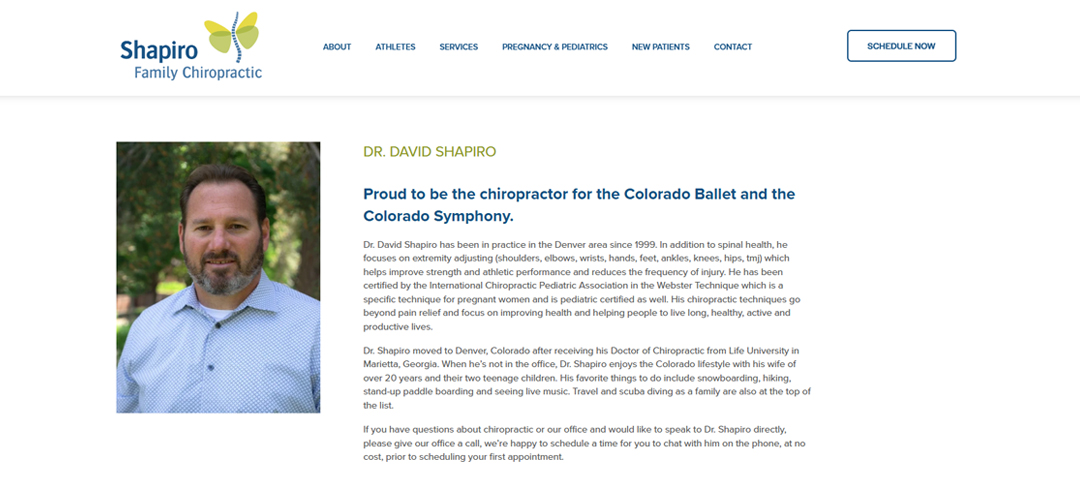
For years, Dr. David Shapiro has been helping Colorado Symphony musicians stay healthy, strong, and performance-ready, often carrying his portable chiropractic table into the hall during rehearsal breaks to care for the artists who spend their lives creating music for the community.
“And then it occurred to me, if the ballet had a chiropractor, then do the symphony or the other arts organizations have a chiropractor?”
Dr. Shapiro
His connection to the performing arts began unexpectedly through a connection at his practice.
“I had a patient whose daughter was a dancer in the Colorado Ballet Studio Company and through her I got connected to the ballet and started working with them,” Dr. Shapiro recalled. “And then it occurred to me, if the ballet had a chiropractor, then do the symphony or the other arts organizations have a chiropractor? So, I was connected to the symphony by the ballet and that’s how it began.”
What started as a simple question evolved into a decades-long relationship with the Colorado Symphony and its musicians.
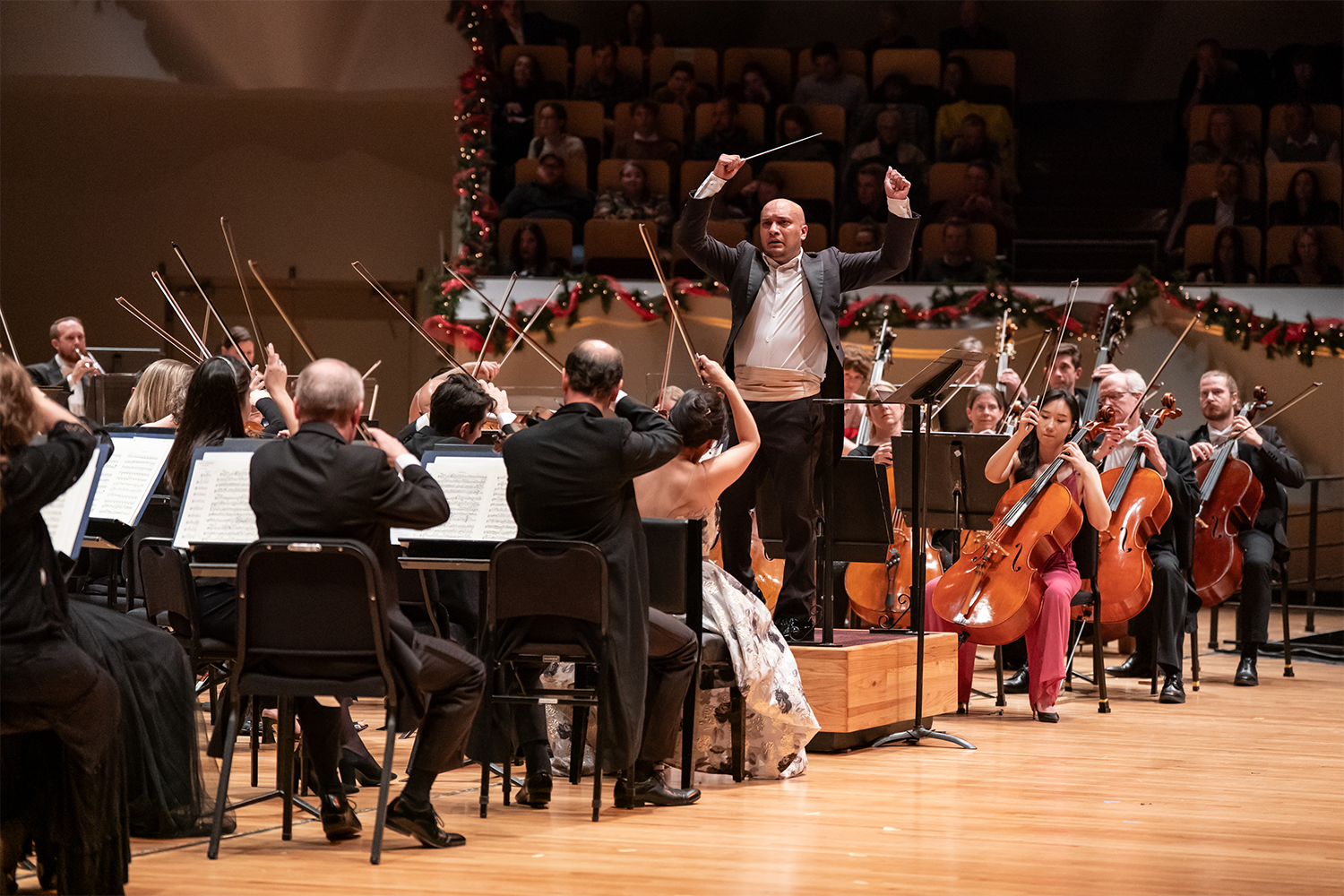
Most concertgoers see the polished final product: world-class musicians performing effortlessly under the lights for a few hours each week. What they don’t see, Dr. Shapiro says, are the countless hours of repetition and physical strain required to reach that level.
“People go to a show and they see the performers performing for maybe two hours or so,” he said. “But they don’t really understand what goes into that performance. The hours and hours and hours and years of practice. There’s a great deal of repetitive motion that takes place and postural issues that can develop over time.”
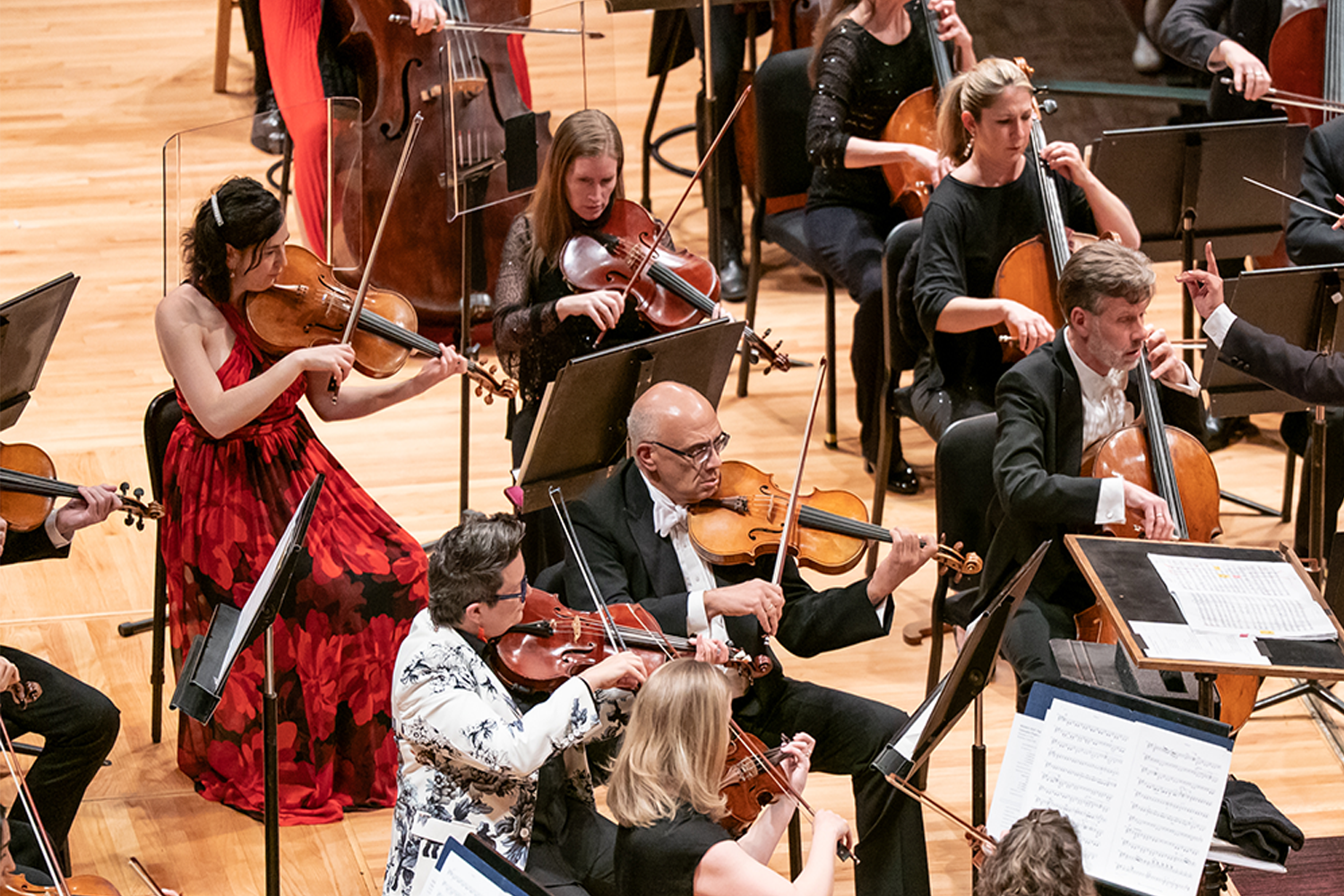
For orchestral musicians, those demands can be relentless. Violinists maintain asymmetrical playing positions for hours at a time. Violists and cellists endure repetitive stress on the neck, shoulders, and back. Wind and brass players place constant pressure on muscles and joints while seated for extended rehearsals and performances.
“What I like to help them with is improving their posture, improving the biomechanics of not only the spine but the extremities as well,” Dr. Shapiro explained. “Ultimately, not just help with pain relief but help to prevent these repetitive motion injuries from recurring.”
That care has made a profound difference for many musicians across the orchestra.
“Playing the violin is very challenging on the body. Doctor Dave has an excellent understanding of how to get me back to good playing shape as quickly as possible.”
Paul Primus, violin
“Doctor Dave is a very skilled chiropractor, as well as a kind, funny, and caring person,” said Paul Primus, recently retired Colorado Symphony violinist who served as Principal Second Violin from 1985 to 2024. “I have worked with him for years, and he has helped me get over many aches and pains. Playing the violin is very challenging on the body. Doctor Dave has an excellent understanding of how to get me back to good playing shape as quickly as possible. He works on the whole body, not just the spine. We in the Colorado Symphony are very grateful for his generosity and skill.”
Violist Leah Kovach echoed that sentiment, emphasizing how essential Dr. Shapiro’s work has become to maintaining a demanding performance schedule.
“Regular chiropractic adjustments with Dr. David Shapiro are a key part of my wellness and injury prevention routine to keep me performing three-plus concerts a week,” she said.
On long rehearsal days, he regularly brings his portable treatment table directly to the concert hall, transforming backstage practice rooms into temporary wellness clinics for musicians between rehearsals.
“It’s definitely a little more comfortable in my office,” he laughed. “But I typically will show up on days when the musicians have two rehearsals, and I’ll show up for about an hour during their lunch break.”
Those sessions can become a whirlwind of activity as musicians line up for treatment in the short window before returning to rehearsal.
For Dr. Shapiro, the work is rooted in a simple philosophy: people perform best when they feel their best.
“I think this applies to everyone. When you’re not feeling well, you’re not able to perform at their best,” he said. “One of our mottos in our office is to help people live active, healthy, and happy lives. And live to their full potential.”
“Any vibrant city should have the arts.”
Dr. Shapiro
“Any vibrant city should have the arts,” he said. “There are financial challenges and other challenges, but it’s important to have the arts. If we as a community can help financially, but also in other ways, we should do so because it’s a win‑win.”
Though he has had memorable backstage experiences — including working behind the scenes at a Warren Haynes Jerry Garcia tribute concert at Red Rocks last year — Dr. Shapiro says some of his most meaningful moments still come from sitting quietly in the audience at a Colorado Symphony performance.
“Every time I’m in the audience and I look on stage and I see the performers, I feel like I’ve had a small role in this performance and that brings me a lot of joy,” he said.
∎