Skip to Content

Colorado Symphony Blog

Explore Gabriela Ortiz’s Yanga with the Colorado Symphony

July 29, 2026

Explore Gabriela Ortiz’s Yanga with the Colorado Symphony

More than four centuries ago, a man named Gaspar Yanga was taken from his homeland in West Africa and enslaved in colonial Mexico. History tells us he was of royal lineage, an African prince who refused to accept the life imposed upon him. After escaping enslavement, he led a community of formerly enslaved people into the mountains near Veracruz, where they resisted Spanish forces for decades. Through courage, persistence, and negotiation, Yanga ultimately secured freedom for his people and established what is widely recognized as the first free African settlement in the Americas.

His story is one of resistance, humanity, and an unshakable belief that freedom belongs to everyone.

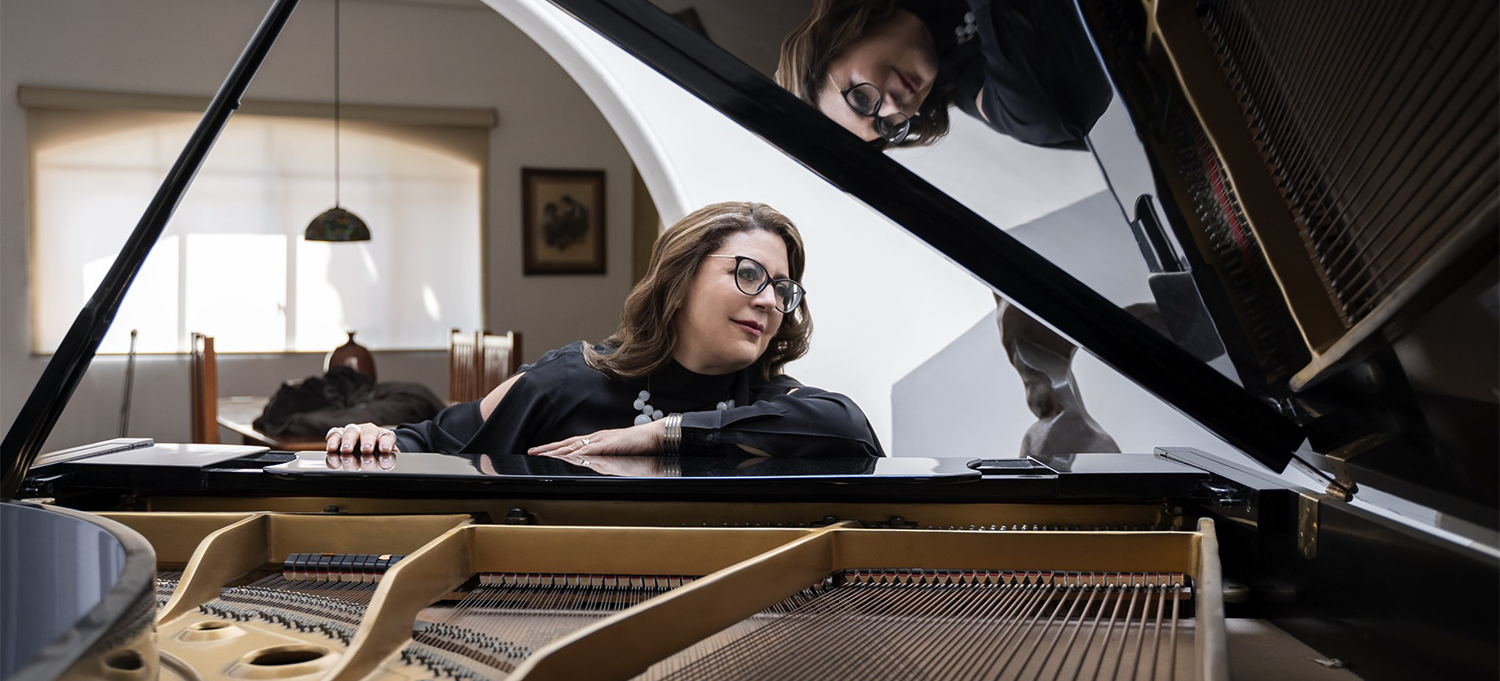
It is also the story that inspired composer Gabriela Ortiz’s extraordinary choral work, Yanga.

When the Colorado Symphony opens its 2026/27 Classics season September 11 – 13, Yanga will take its place alongside one of the most celebrated works ever written: Beethoven’s Symphony No. 9. Together, these two pieces create a remarkable conversation across centuries about liberty, equality, and our shared humanity.

For Ortiz, these themes have long informed her music. Born in Mexico City, she grew up surrounded by the sounds of traditional Mexican music as the daughter of two founders of Los Folkloristas, one of Mexico’s most influential folk music ensembles. At the same time, her musical education led her through some of Mexico’s and Europe’s most prestigious conservatories before earning a doctorate in composition from London’s City University. Her music lives at the intersection of those worlds, blending vernacular traditions with contemporary compositional techniques to create works that feel both ancient and startlingly new.

Yanga embodies that artistic voice.

The work began not as a concert piece, but as an operatic idea. Mexican flutist Alejandro Escuer approached Ortiz with the story of Gaspar Yanga, envisioning an opera that would tell his remarkable life story. Spanish playwright Santiago Martín Bermúdez developed a libretto for the project, which remains forthcoming. Years later, when Ortiz received a commission to compose a companion work for Beethoven’s Ninth Symphony and its iconic “Ode to Joy,” friends suggested she return to Yanga’s story.

It proved to be the perfect pairing.

If Beethoven’s Ninth is humanity’s great artistic declaration of universal brotherhood, Yanga offers a contemporary reflection on the sacrifices and struggles that make such ideals possible. One imagines freedom not as an abstract concept, but as something fought for, protected, and ultimately shared.

Musically, Yanga is unlike anything audiences may have experienced before. Ortiz describes the piece as unfolding in four contrasting rhythmic and lyrical sections. African instruments that arrived in Latin America centuries ago — including batás, güiros, shekeres, and cabasas — become essential voices within the work’s sonic landscape. Rather than directly imitate Afro-Latin musical traditions, Ortiz weaves these sounds into her own richly imagined musical language.

The result is exhilarating.

The chorus is used as both storyteller and instrument, creating intricate rhythmic textures that converse with solo percussion and the orchestra itself. Throughout, there is an almost physical sense of movement, of struggle yielding to triumph and oppression transformed into hope.

For Colorado Symphony audiences, Yanga offers another opportunity to experience the extraordinary artistry of the Colorado Symphony Chorus and the orchestra’s percussion section, whose contributions are central to bringing Ortiz’s vibrant score to life.

Yet for all of its rhythmic electricity and musical innovation, Ortiz has been clear about what Yanga means to her.

“To me, Yanga is a work about an immense expressive force that speaks of the greatness of humanity when in search of equality and the universal right to enjoy freedom to the fullest.”

Those words resonate powerfully beside Beethoven’s Ninth.

For more than 200 years, Beethoven’s final symphony has stood as a triumphant anthem of peace, joy, and human unity. Its famous choral finale has been performed at moments of celebration, remembrance, and renewal throughout modern history. But before humanity can sing together of joy, there must first be the freedom to do so.

That is where Yanga enters the conversation.

Gaspar Yanga’s story reminds us that freedom has always required extraordinary courage. Beethoven reminds us what becomes possible when humanity embraces its highest ideals. Together, these works form a compelling artistic dialogue, one looking back at a revolutionary struggle for liberation and the other gazing toward a future united by hope.

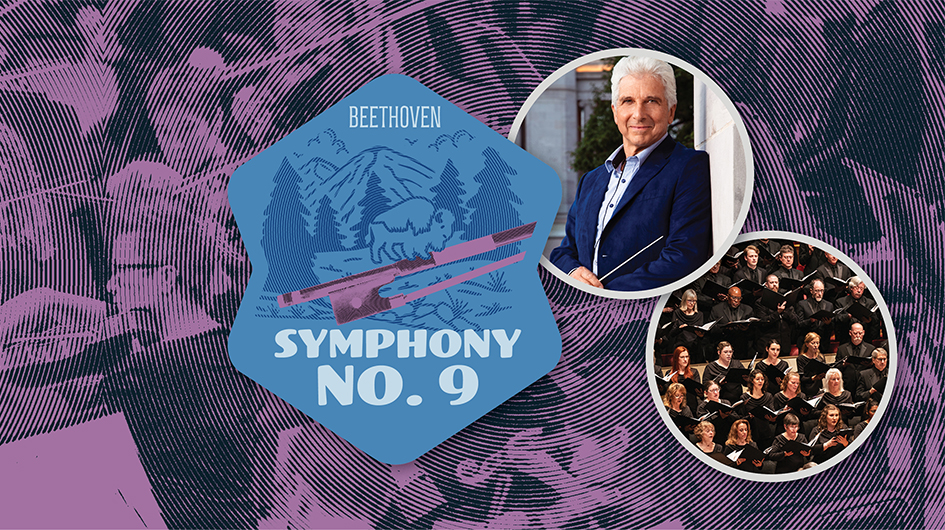
As Music Director Peter Oundjian begins his second season with the Colorado Symphony, there could hardly be a more fitting way to open the year ahead. These are works of profound musical power that speak to the human experience.


Experience it Live

SEP 11 – 13, 2026

Beethoven Symphony No. 9 with Peter Oundjian

GABRIELA ORTIZ  Yanga
BEETHOVEN  Symphony No. 9 in D minor, Op. 125
Get Tickets