Skip to Content

Colorado Symphony Blog

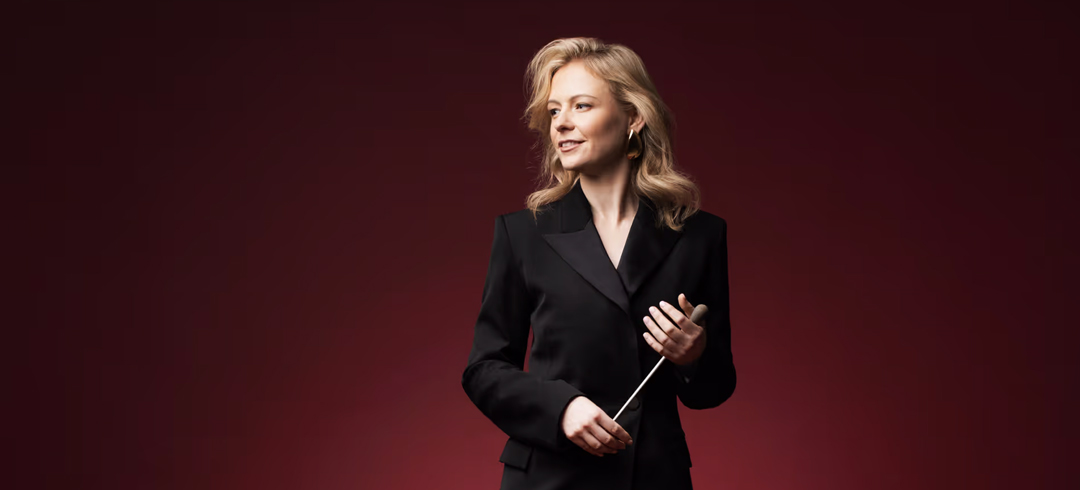
Q&A with Conductor Gemma New

October 30, 2026

Q&A with Conductor Gemma New

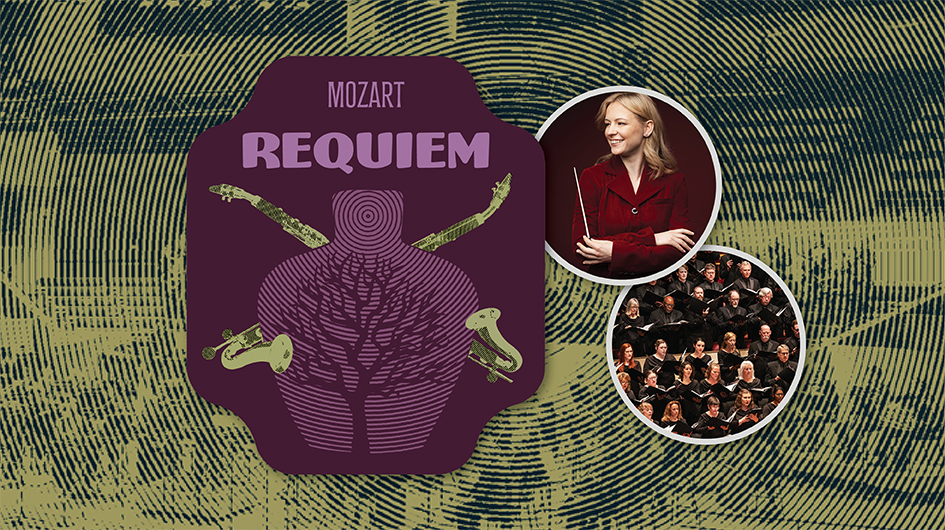
What does a conductor hear in Mozart’s Requiem that makes it feel as urgent and moving today as it did more than 200 years ago? Ahead of her Colorado Symphony debut, Gemma New shares what draws her into Mozart’s dark, dramatic sound world, the surprising details that shape a performance, and her hope that audiences will connect with the deeply human emotions at the heart of this extraordinary work.

Q: When you first sit down with a score like Mozart’s Requiem, what draws you in? Is there a particular passage or moment that shapes your interpretation of the piece?

Gemma New: The Requiem’s d minor opening (same key as the beginning of Don Giovanni!) dramatically ushers us through the iron gates of Mozart’s spiritual world. Mozart often chose sunny bright major keys for his music, but when he launches into a minor key it makes my spine tingle. There is a dark dread behind it.

Q: What’s something audiences might be surprised to learn about the work that happens behind the scenes to prepare a performance like this?

Gemma New: The Mozart Requiem highlights our wonderful singers, and the audience might be surprised to know that even the language needs confirming! We have opted for Italianate Latin over the German Latin, because the open, pure vowels and simpler consonants are rather perfect for singing.

Q: Every orchestra has its own personality, and every collaboration brings something different to the music. As you prepare to make your debut with the Colorado Symphony, what are you listening for in the musicians and how do you build a shared interpretation of a piece?

Gemma New: I am constantly inspired and grateful to witness the wonderful music-making of my colleagues! In the rehearsals, we build together a sense of clarity and trust. Decisions need to be made about pacing, phrasing, articulation, balance and many other interesting things! We also significantly prepare before that first note together. For example, I study the Colorado Symphony bowed string parts and chorus marked vocal score before I arrive.

Q: Mozart’s Requiem has been performed for more than 200 years, and many audience members will arrive with their own personal connection to it. As a conductor, how do you approach a work with such a long history while keeping each performance immediate and alive?

Gemma New: It is always meaningful to experience this incredibly powerful, timeless, and emotional music together. Everyone unites with their individual energy, expertise, and experience, that is the magic of live performance. My approach with this Mozart Requiem is that we want to stay close to Mozart’s style and vision, and we want to find the most natural ease of playing it while bringing out the character and drama.

Q: When you walk off the podium after these performances, what would make you feel that the concerts had gone especially well? Is there something you hope the musicians and audience experience together that goes beyond simply playing the music beautifully?

Gemma New: Mozart’s Requiem is not only beautiful music, it tells of transcendence from our earthly life into the mysterious afterworld. This Requiem was deeply personal for Mozart, due to his strong affinity with the Latin text, and the sense that his own death was imminent. I hope we will all sense this vulnerable human experience in the music this weekend.

Experience it Live

On November 6 – 8, conductor Gemma New leads the Colorado Symphony, the Colorado Symphony Chorus, directed by Taylor Martin, and vocal soloists Joélle Harvey, Jennifer Johnson Cano, Andrew Haji, and Andrew Garland in Mozart’s Requiem at Boettcher Concert Hall.

The program also features Salina Fisher’s Kintsugi for Orchestra, inspired by the Japanese art of repairing broken pottery with gold, and Maurice Ravel’s Le Tombeau de Couperin, a tribute to friends lost during World War I. Together, the three works explore how music can respond to fragility, remembrance, and loss.