

On a warm summer evening in southwest Denver, music drifts across Harvey Park. Families gather, children chase each other through the grass, and the familiar, electric opening clarinet glissando of Rhapsody in Blue rises into the air. It’s a sound that has come to define American music: restless, optimistic, unmistakably alive.
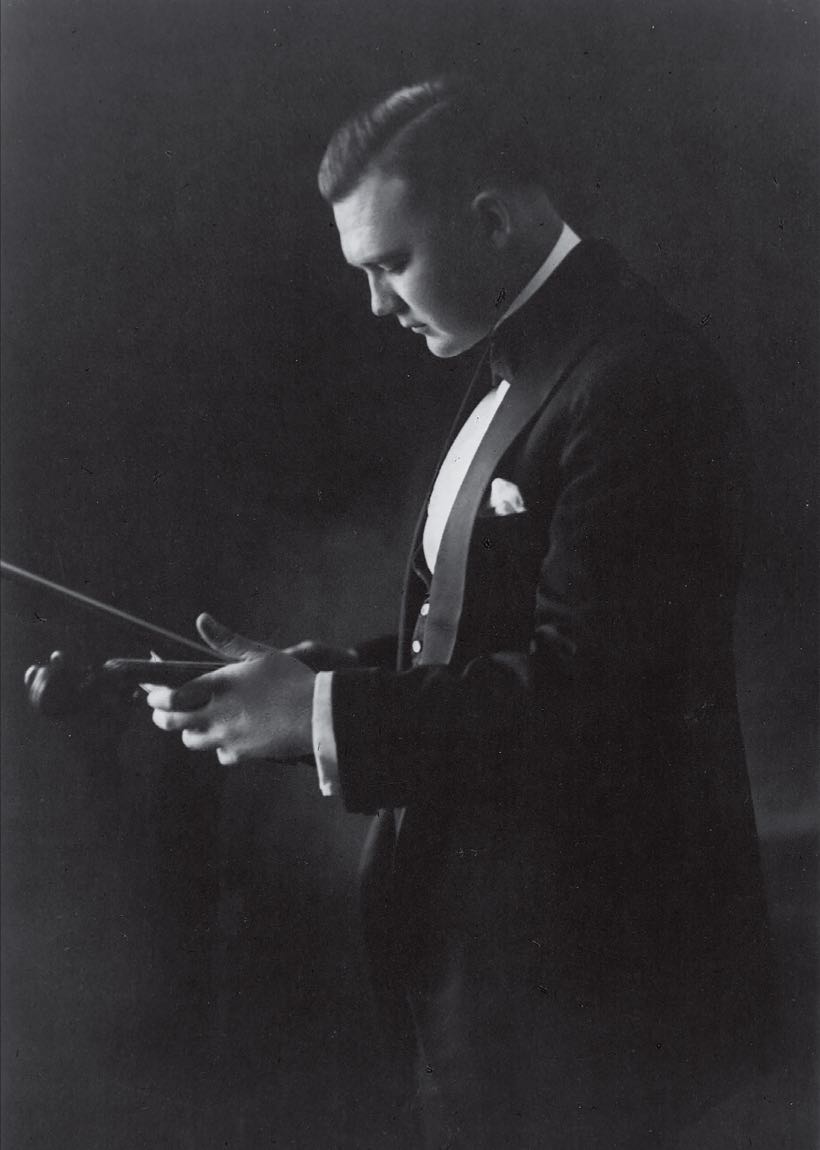
In 1924, the same year he purchased the ranch for his parents, Whiteman set in motion an idea that would change American music. He approached a young composer he had worked with before by the name of George Gershwin and proposed something bold: a new kind of piece that would fuse jazz with the structure and scale of classical music.
Gershwin hesitated. The timeline was tight, the concept ambitious. But when Whiteman publicly announced the commission before it was finalized, the composer found himself with little choice and just five weeks to write.
The result was Rhapsody in Blue, premiered on February 12, 1924, at Aeolian Hall in New York City in a concert billed as “An Experiment in Modern Music.” With Whiteman conducting and Gershwin at the piano, the performance was unlike anything audiences had heard before. Classical forms collided with jazz rhythms, blues harmonies, and the sounds of a rapidly modernizing America.
It was, by any measure, a cultural turning point.
And while that premiere took place in New York, its origins are tied quietly but unmistakably to Denver.
Because as Gershwin raced to complete the score, the man who had sparked the idea had just invested in a piece of land on the city’s outskirts, a place that would, decades later, become Harvey Park. It’s a striking coincidence: one of the most iconic works of American music, conceived through the vision of a Denver musician, emerging at the same moment that musician was laying down roots back home.
In July 2022, Councilman Kevin Flynn, who represents Harvey Park today, arranged for the Denver Municipal Band to include Rhapsody in Blue in its annual summer concert in Harvey Park, a stone’s throw from the original Whiteman house. He contends, without challenge, that this was the first time the piece was performed live on land owned at the time of its composition by the orchestra leader who asked Gershwin to create it.
So when Rhapsody in Blue is performed in Denver it’s a homecoming of sorts. A reminder that the threads of artistic history often run through unexpected places: a high school in north Denver, a ranch on the city’s edge, a bold idea that bridged genres and redefined what American music could be.
And perhaps, as the final chords fade into the Colorado sky, it’s worth imagining that this music has, in some way, always belonged here.
Experience it Live
Join the Colorado Symphony for this unforgettable weekend with Peter Oundjian and Michelle Cann — also performing Florence Price’s Piano Concerto in One Movement, and more!
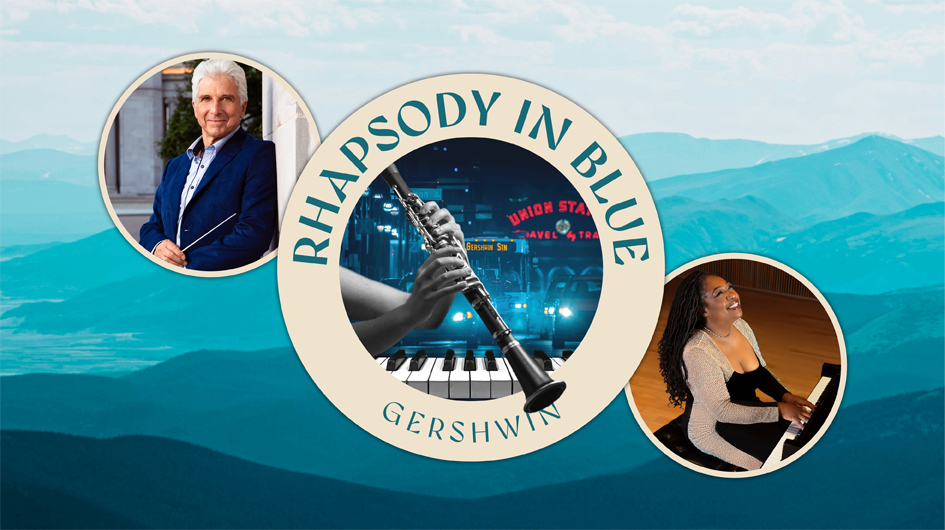
Gershwin Rhapsody in Blue with Peter Oundjian & Michelle Cann
BRITTEN Peter Grimes: Four Sea Interludes
DEBUSSY La mer
PRICE Piano Concerto in One Movement with Michelle Cann
GERSHWIN Rhapsody in Blue with Michelle Cann