

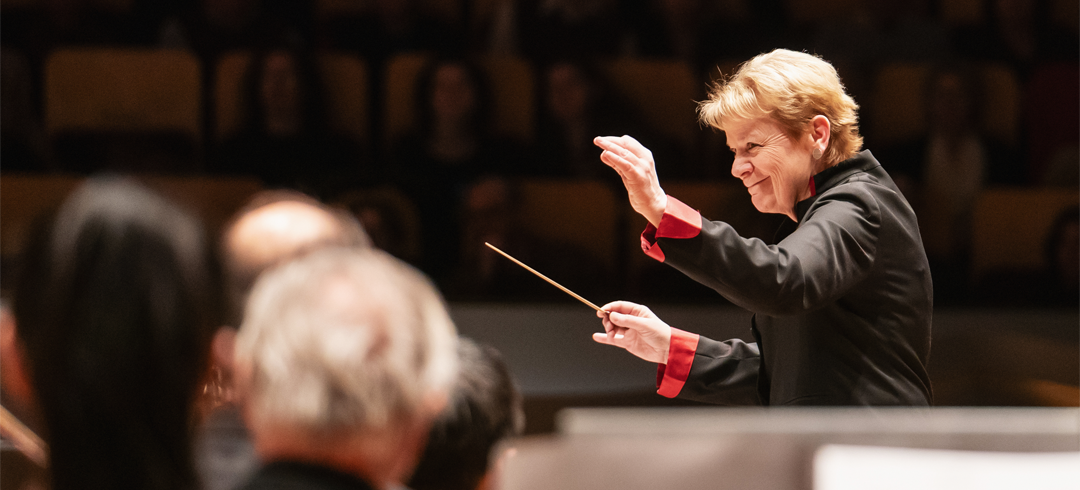
Colorado Symphony Conductor Laureate on returning to Denver, storytelling, championing new voices.
There’s a real affection in Denver for Marin Alsop and for good reason. One of the preeminent conductors of her generation, Alsop’s career was launched right here in the Mile High City, where she served as music director from 1993 – 2005.
Beloved by audiences and musicians alike, she returns this week to Boettcher Concert Hall for a trio of performances that reflect what she’s long stood for: strong points of view, living composers, and music that feels connected to the world around it. Alongside Scheherazade by Nikolai Rimsky-Korsakov, the program features works by Gabriela Ortiz and Gabriela Montero, two distinct female voices shaping music today.
We spoke with Alsop ahead of her return to Denver about the energy, storytelling, and perspective behind this program.
Q: You’ve long been a champion of living composers. What excites you most about bringing Antrópolis and Gabriela Montero’s “Latin” Concerto to life on the same program?
Marin Alsop: What excites me most about this program is bringing together two extraordinary living voices, Gabriela Ortiz and Gabriela Montero, alongside one of the great orchestral masterworks. Gabriela Ortiz’s Antrópolis is bursting with rhythm, energy, and the pulse of Mexico City, while Gabriela Montero’s “Latin” Concerto feels more personal and layered, balancing beauty and vibrancy with some of the darker realities beneath the surface. I love how both works are deeply rooted in place, identity, and rhythm, but speak in completely different ways.
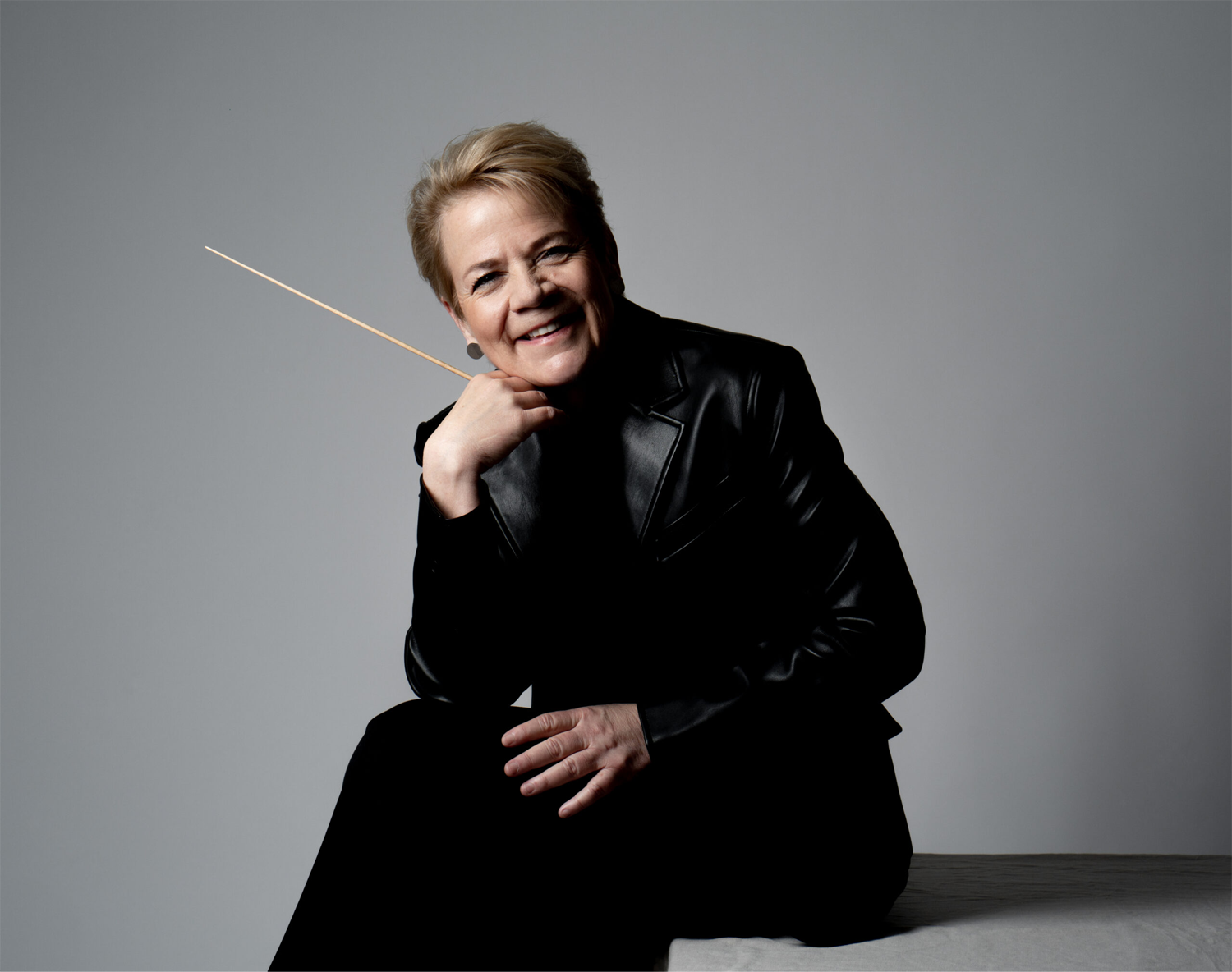
Q: As a lifelong advocate for women in music, how meaningful is it to lead a program like this, and what message do you hope audiences take away from that perspective?
Marin Alsop: It’s always meaningful to me to lead a program like this because it reflects the world as it really is: rich with different perspectives, stories, and voices. Having music by two brilliant women composers alongside a beloved classic (which still tells the story of a resourceful and clever woman!) feels both exciting and important. I hope audiences leave feeling inspired by the breadth of voices they’ve heard and with a reminder that great music can come from anywhere and anyone.
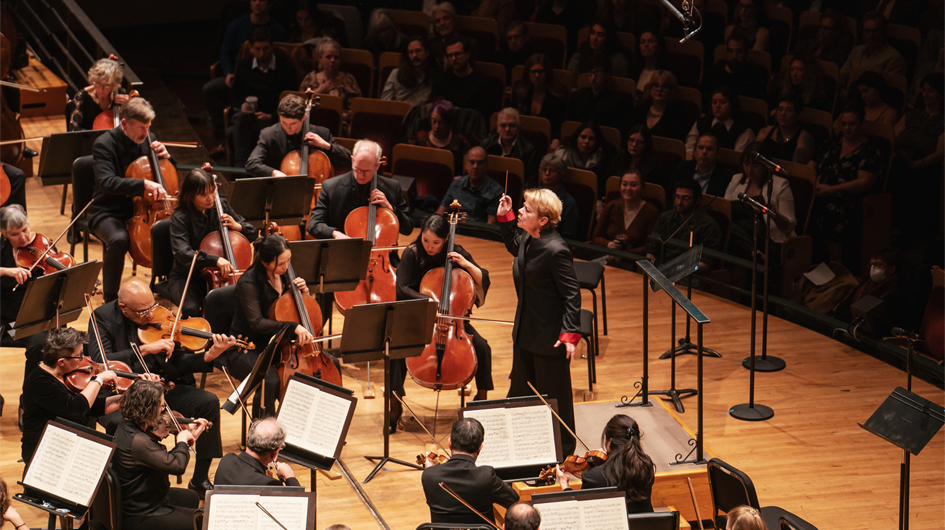
Marin Alsop Conducts Rimsky-Korsakov + Gabriela Montero
GABRIELA ORTIZ Antrópolis
GABRIELA MONTERO Piano Concerto No. 1, “Latin” Concerto*
RIMSKY-KORSAKOV Scheherazade