The shocking realization of an emerging musical culture war hit me as a 7 year old.
Picture a father returning home unexpectedly early, only to hear a raucous song called “She Loves You” by the new bad boys of pop music from Liverpool. In my father’s mind, this “noise” was impermissible in a civilized house.
The sight of my 14 year old brother’s treasured single being thrown to the kitchen floor and furiously stamped on by my father’s infuriated foot was both petrifying and hilarious. Could he disrupt a cultural revolution that was sweeping the world with this act of defiance? Dad had witnessed his old 78s crack under pressure but his efforts to destroy the bendy Beatles 45 frustrated him like hell.
None of it was working out for him. It was 1963 and the emergence of the great divide was upon us. A new form of rock music was poised to change the musical landscape forever.
I spent the next many years straddling the paradoxical tension of being passionate about what we used to call classical music and making sure my friends knew that I was cool enough to rock out to the Stones, Yes, and Pink Floyd. In truth, I was inspired by the inventiveness and originality of many of those brilliant creative artists and besides, we all used intense rock music like Black Sabbath, Deep Purple, or Wishbone Ash to mentally prepare for the savage destruction of our soccer opponents before each match.
Meanwhile I was practicing the violin 5 hours a day. It was a weird double life.
Fast forward a few decades to the more recent period of orchestras struggling to invent ways to stay relevant.
Often orchestras sell barely enough tickets for their subscription concerts, instead selling out houses with Pops concerts, the Great American Songbook, performances of movie scores, and famous Broadway tunes — and we come to the 3rd decade of this millennium to witness what?
Every orchestra is busy trying to figure out how to position itself with genuine relevance in its own community, while maintaining its integrity and credibility. The composers of many extraordinary film scores over the past several years are creative geniuses and phenomenal orchestrators. The players who record them are at the highest level of artistry. To hear a great film score played live in front of your eyes is one way of understanding the electrifying power of the symphony orchestra — and a lot of people truly love the experience.
Meanwhile, most of the great non-classical artists these days are creating excellent charts (orchestrations) which allow them to perform with an orchestra. The richness of the sonorities is addictive to audiences. You name any genre of music and it can be effectively enhanced by the addition of an orchestra. The possibilities are endless; recently, RZA was rapper in residence at the Colorado Symphony for a couple of years.
The Colorado Symphony is on the cutting edge of a movement to treat all music written for orchestra as belonging to their world.
Essentially the orchestra alternates weeks between performances of the likes of Mahler, Ravel, John Adams (i,e. the core orchestral “Art Music” repertoire), and a non-classical collaboration of some kind: Cynthia Erivo, Home Alone, Nathaniel Rateliff, or whatever that week may bring.
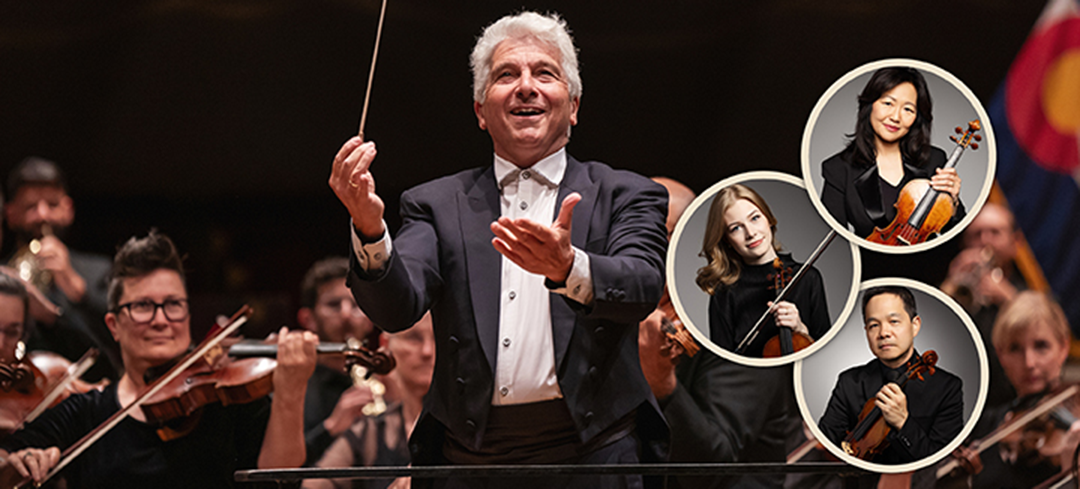
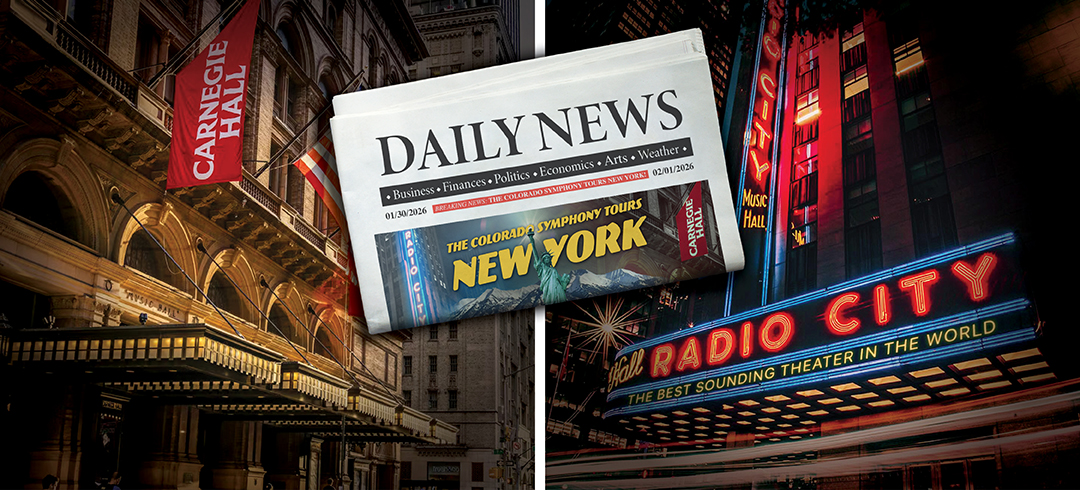
And this month, the orchestra will demonstrate their passion for effortlessly switching musical genres when they appear in NYC for the first time in over 50 years, performing 2 sold out shows at Radio City Music Hall with Gregory Alan Isakov, followed by a sold out Carnegie Hall performance of John Adams’ Frenzy, Mussorgsky’s Pictures at an Exhibition, and a rare opportunity to hear Itzhak Perlman play some of his absolute favorites, the Dvorak Romance, several Kreisler pieces and of course music from Schindler’s List.
Playing all of this music with passion and precision requires the most exacting skills and complete commitment from every single player. Any member of a fine symphony orchestra today is a virtuoso and a great artist. They alone create the sound and the magic that makes an orchestral performance moving and memorable. We should all treasure the existence of these mighty institutions that bring civility, beauty, spirituality, and unifying expression to our cities.
Join us for our NYC Sendoff Concert
Experience the complete Carnegie Hall program just days before the orchestra takes Denver & Colorado to the world stage.
Plus, an exclusive offer opportunity for attendees!